Phantom Flash
About the Project
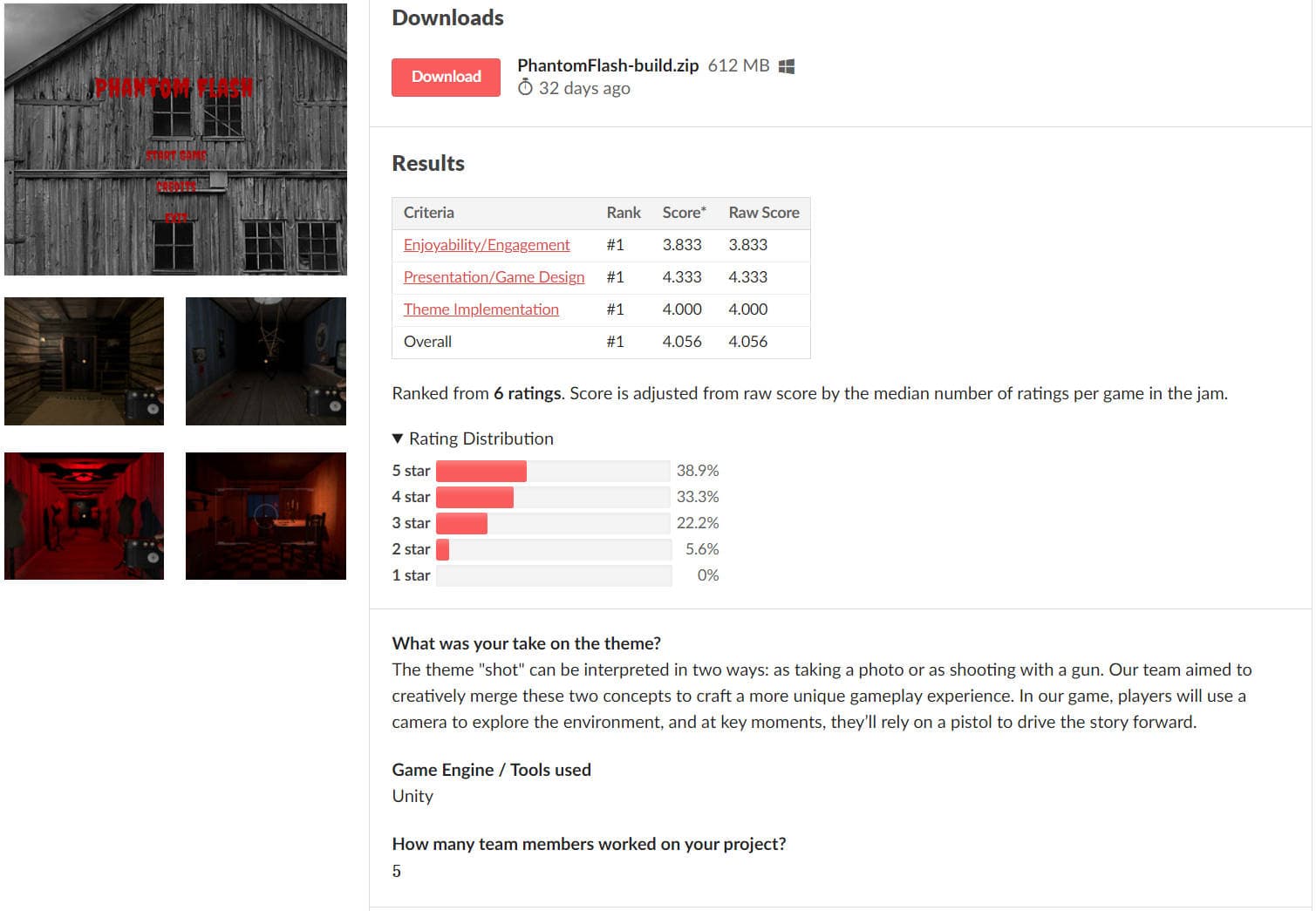
Embark on a unique horror puzzle adventure. In this game, you will follow the clues in your investigation note and use your camera to explore the mist-covered house. Encounter eerie events and face terrifying spirits in your quest to uncover the truth. Can you survive the mystery and defeat the evil forces lurking within?
A submission to the NUGDS Winter Jam 2025, hosted by the Newcastle University Game Dev Society. Ranked 1st among 8 entries.
Genre: 3D, Horror, Puzzle
Engine: Unity
Platform: PC
Team Size: 5
Screenshots
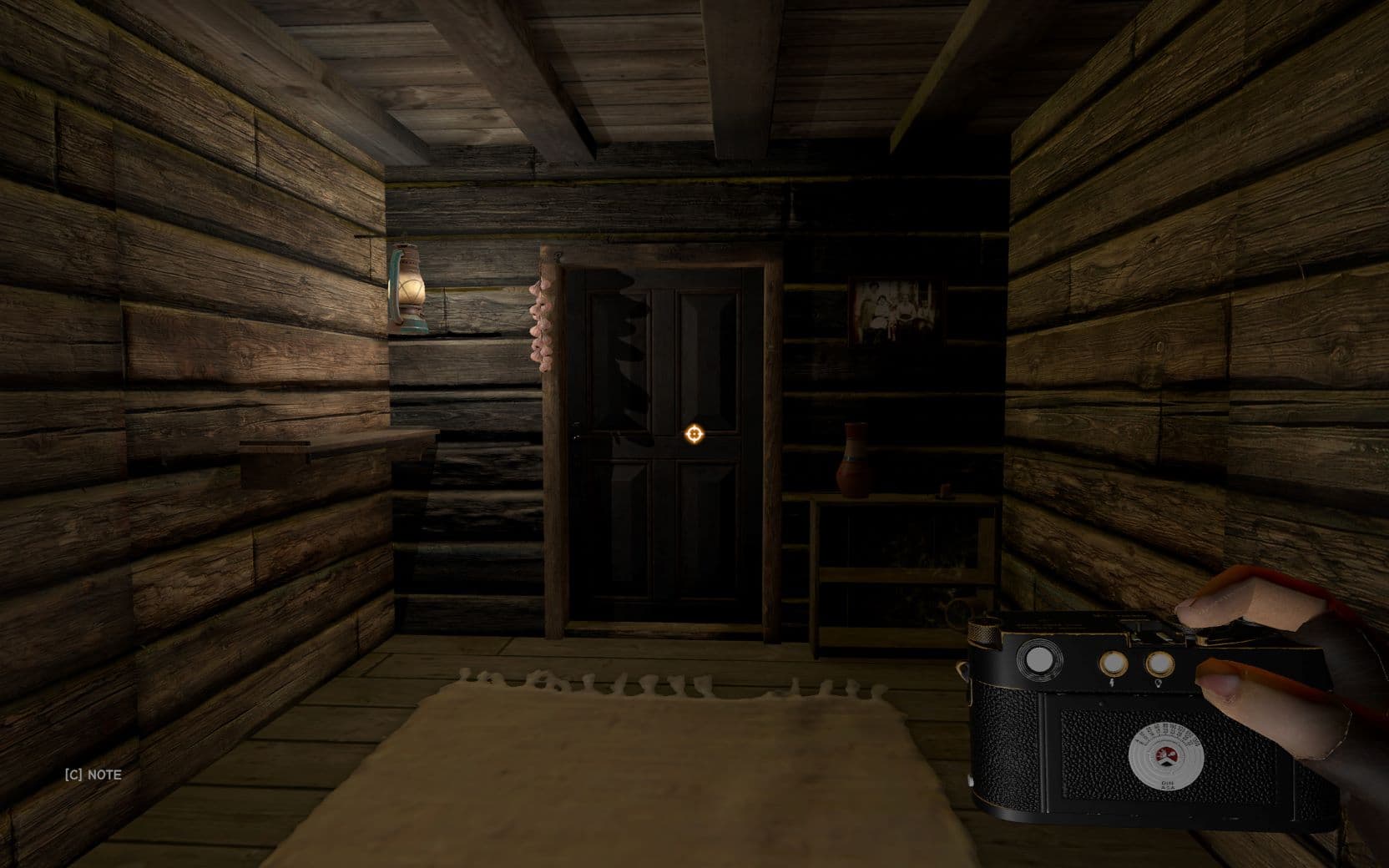
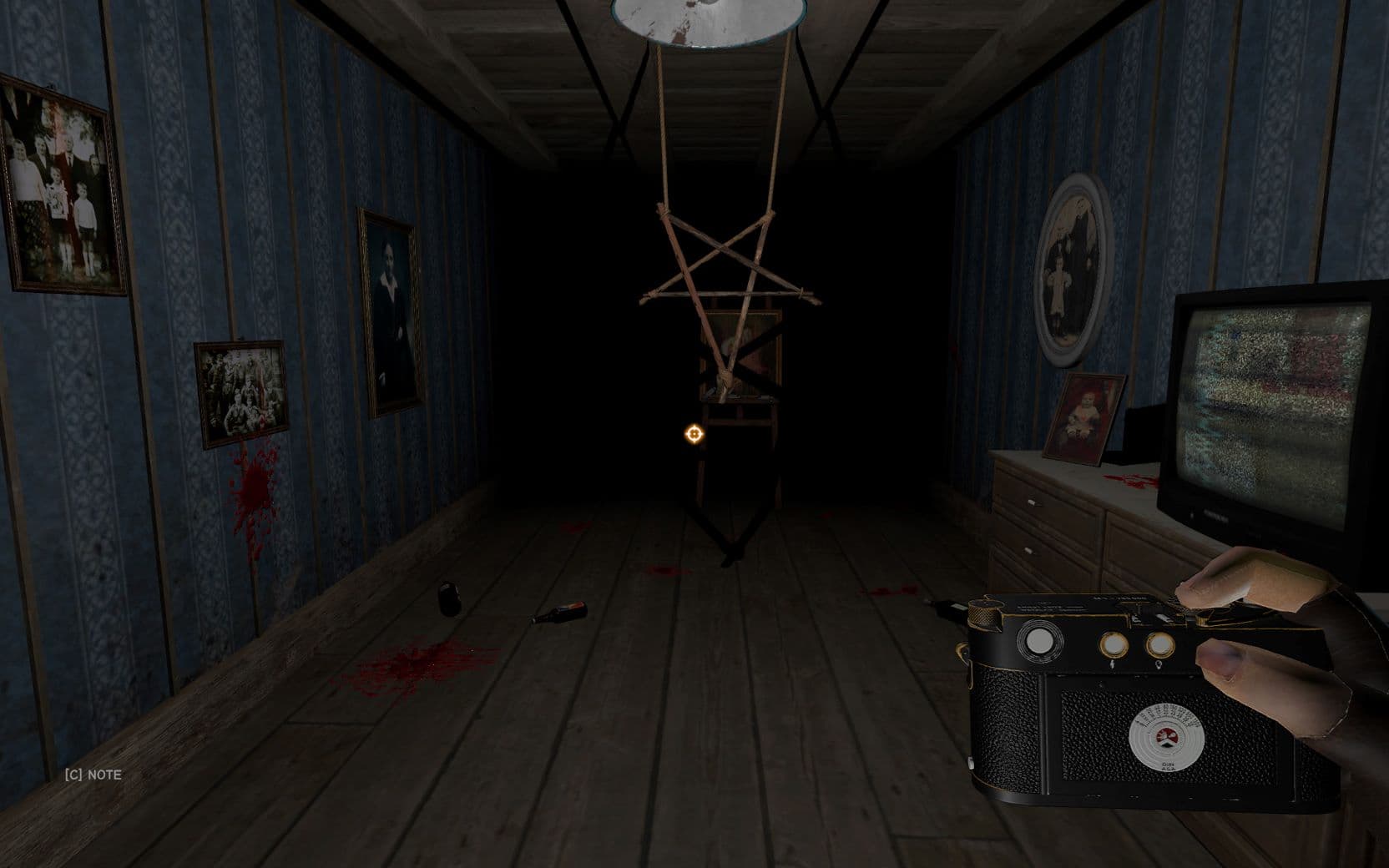
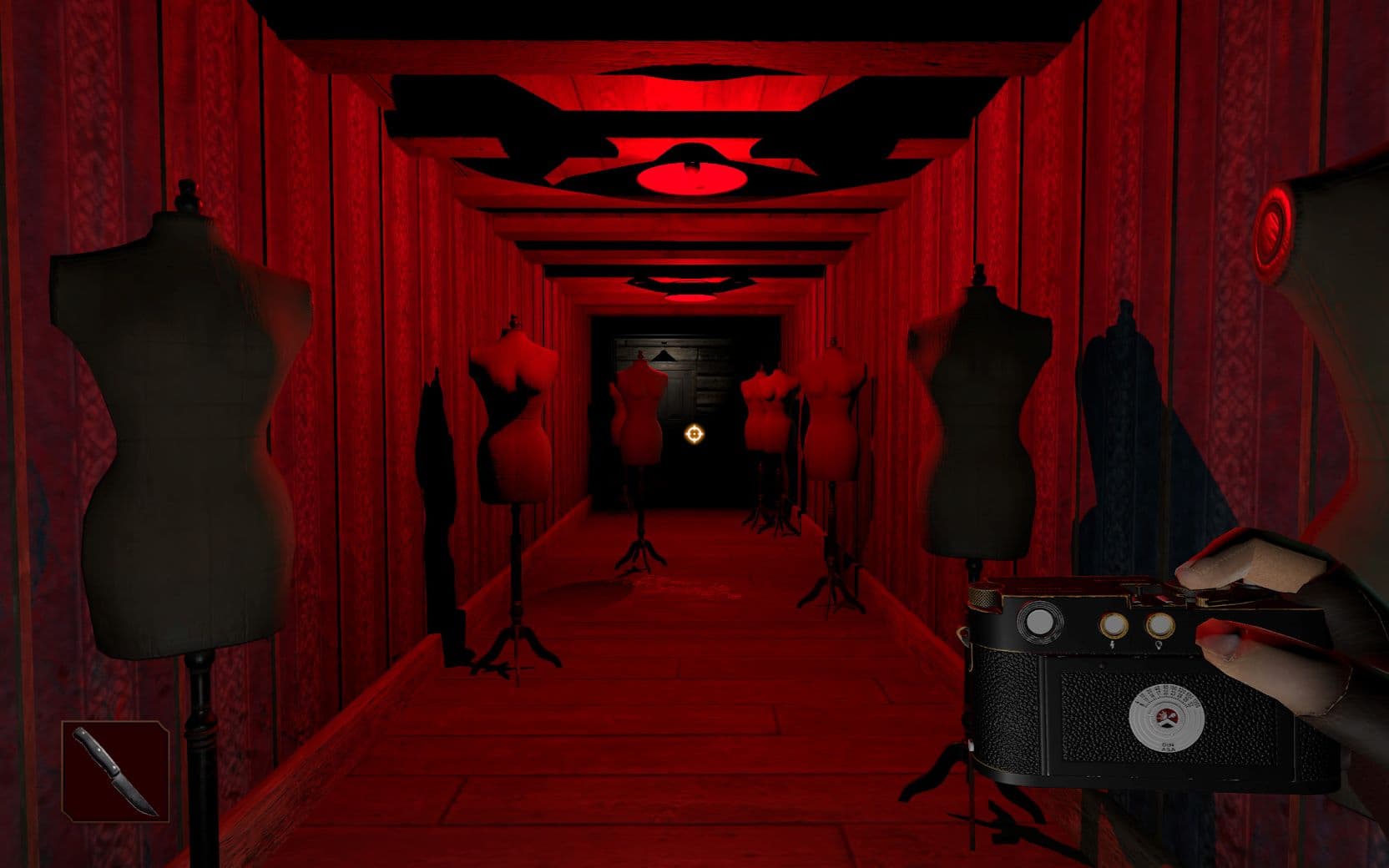
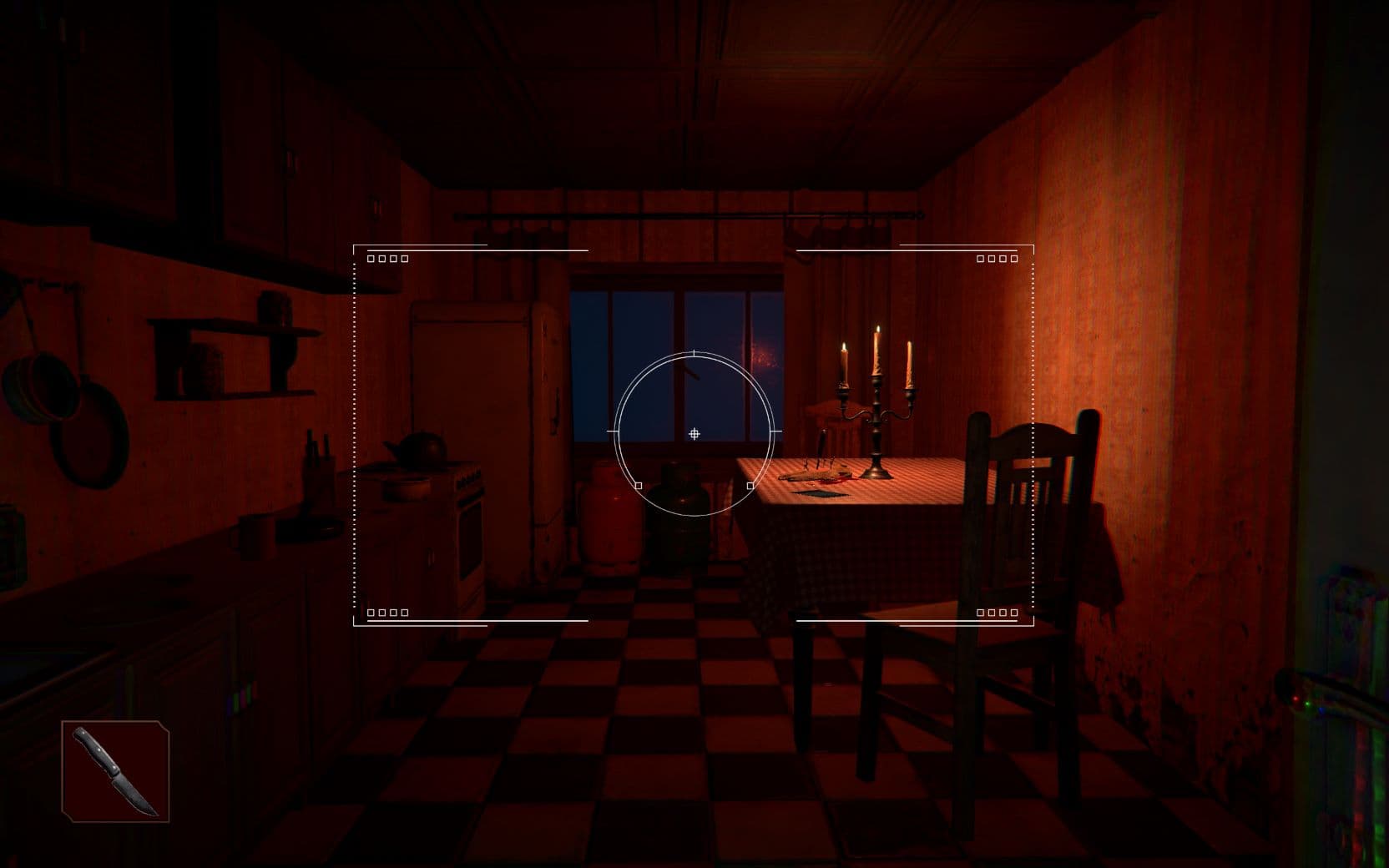
Role(s) and Responsibilities
Gameplay Programmer
- Implemented multiple puzzle mechanics.
- Developed UI system including Start Screen, Pause Menu, and HUD interfaces with UGUI.
System Designer
- Designed core gameplay loop and interactive experience balancing exploration/puzzle pacing.
- Crafted all in-game puzzles with progression balancing and contextual feedback.
- Designed UI components for pause menu and HUD.
Game Design Highlights
System Design Document For Horror-Themed Exploration Puzzle Game
Genre: 3D first-person exploration puzzle game with horror/thriller elements.
Platforms: PC/Web
1. Control Scheme
- WASD: Character movement
- Mouse: Camera control
- E Key: Interact with environmental props
- F Key: Toggle camera mode
- Left Click (Camera Mode): Capture photo
- Left Click (Combat Mode): Fire weapon
2. Core Gameplay Loop
- Player enters game scene
- Environmental exploration
- Discover and solve puzzles
- Collect critical items
- Use camera to detect hidden entities
- Engage in evasion/combat
- Achieve level objectives
3. Level Design Framework
Environment: Confined indoor/nighttime settings (e.g., derelict mansions, isolated structures) with Western architectural motifs.
Pacing: Linear exploration paths guided by dynamic lighting, ambient audio cues, and object placement (e.g., flickering corridor lights directing attention).
Interactivity: Contextual UI prompts (e.g., "Requires Key" near locked doors) and strategically placed monster triggers in open areas.
Reference: Resident Evil 7 atmosphere.
4. Narrative & Progression
Synopsis: Players assume the role of a paranormal investigator using a spectral camera to reconstruct occult events, ultimately summoning and defeating a demonic entity.
Key Progression:
- Phase 1: Collect clues → Solve puzzles → Reconstruct ritual site.
- Phase 2: Utilize camera to expose and combat manifestations.
5. System Architecture
5.1 Base Character Controller
First-person controller with smooth movement/camera rotation.
5.2 Interactable Objects
- Boolean Toggle Switches: Binary state changes (e.g., light switches, drawers).
- Single-Use Items: Disabled post-interaction.
- Multi-State Objects: Cycle through predefined states (e.g., ritual artifacts).
- Lore Fragments: Non-functional items delivering narrative via UI text.
5.3 Collectibles
Passive items tracked via UI (e.g., "0/3 Keys Collected"). Full collection unlocks progression.
5.4 Entity System (Ghosts/Monsters)
- Spawn Logic: Triggered post-ritual completion; hinted via pulsating aura/outlines.
- Combat Behavior:
- Visibility: Entity outlines shift color based on health (Green → Yellow → Red).
- Defeat: Three shots required; audio/visual feedback for positional tracking.
5.5 Camera Mechanics
- Mode: Immobilizes player; viewfinder UI simulates real-time exposure.
- Function: Flashlight illuminates targets; detects spectral entities (WIP: Battery system).
5.6 Combat System
- Weapon Unlock: Assemble firearm parts scattered pre-boss arena.
- Combat Design: Burst-fire mechanics with cooldown constraints.
5.7 Quest System
- Investigation Journal: Diegetic UI displaying objectives, photos, and lore.
- Task Types:
- Photo-Matching: Recreate reference images to spawn critical items.
- Item-Chain Puzzles: Sequential interactions (e.g., fuse → breaker box).
- Multi-State Challenges: Adjust objects to predefined configurations.
- Progress Manager: Tracks collectibles/puzzle states; updates UI dynamically.
5.8 UI Framework
- Main Menu: Start/Load/Settings/Quit.
- Pause Menu: Resume/Restart/Quit.
- HUD: Real-time tracking (e.g., "Entities Found: 0/3").
- Investigation Journal: Toggleable via hotkey; scrollable text/image panels.
- Contextual Prompts: "Press F" indicators near interactables.
6. Art Asset Requirements
Core:
- Modular indoor environments (walls, furniture).
- Entity models (specters, mutants).
Advanced: Dynamic lighting rigs, VFX for spectral detection.
7. Player Experience Design
Emotional Arc:
- Early Game: Gradual puzzle escalation to sustain engagement.
- Mid-Game: Timed challenges to induce tension.
- Finale: Low-skill-ceiling boss fights for cathartic payoff.
Flow Theory Integration:
- Per-level cycles of relaxation → tension → accomplishment.
- At least one stress → climax → resolution sequence per session.
Reference: Flow Theory in Game Design